
Hello
I study how digital power works, and I work on the rules that govern it. My PhD at the University of Bath looked at how British political parties campaign on Facebook. Since 2021 I have worked as a civil servant on the regulation of big tech and critical digital infrastructure.

Research ideas
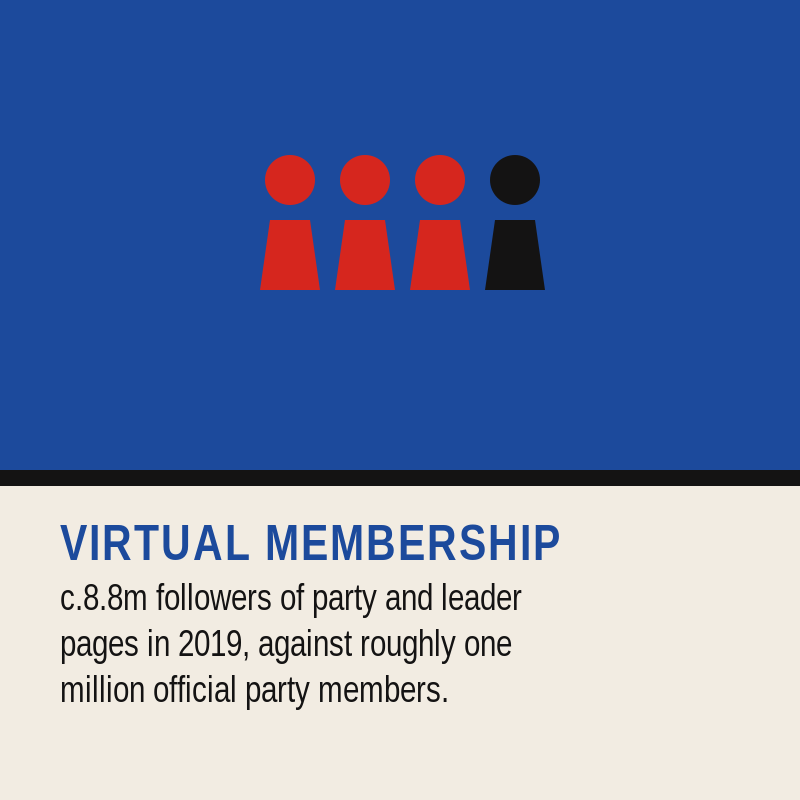


From studying digital power to regulating it
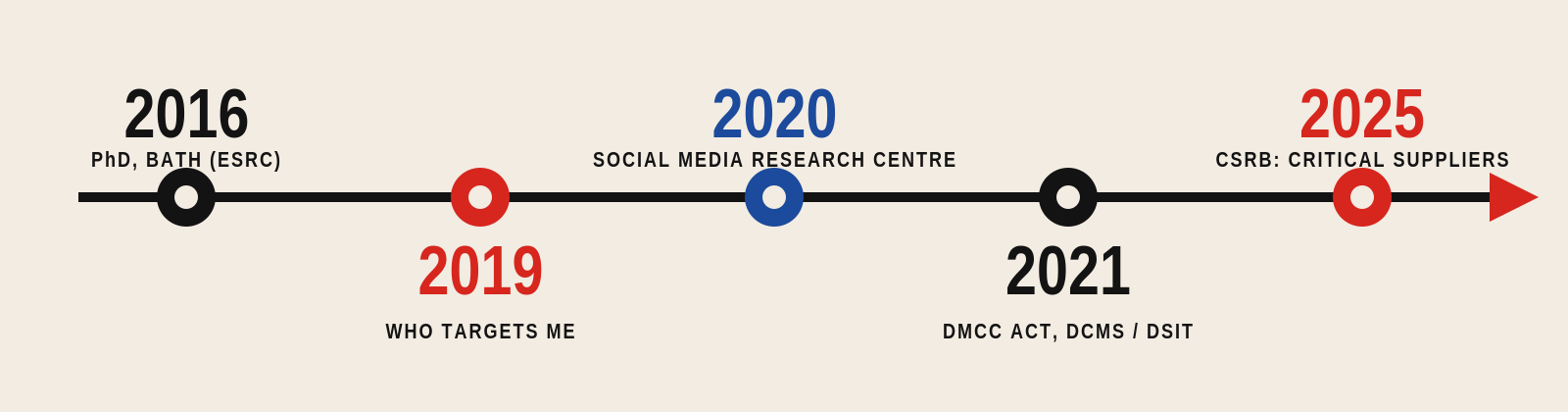
After my PhD I joined the civil service. I worked on the Digital Markets, Competition and Consumers Act, and now work on the Cyber Security and Resilience Bill.
About Tristan

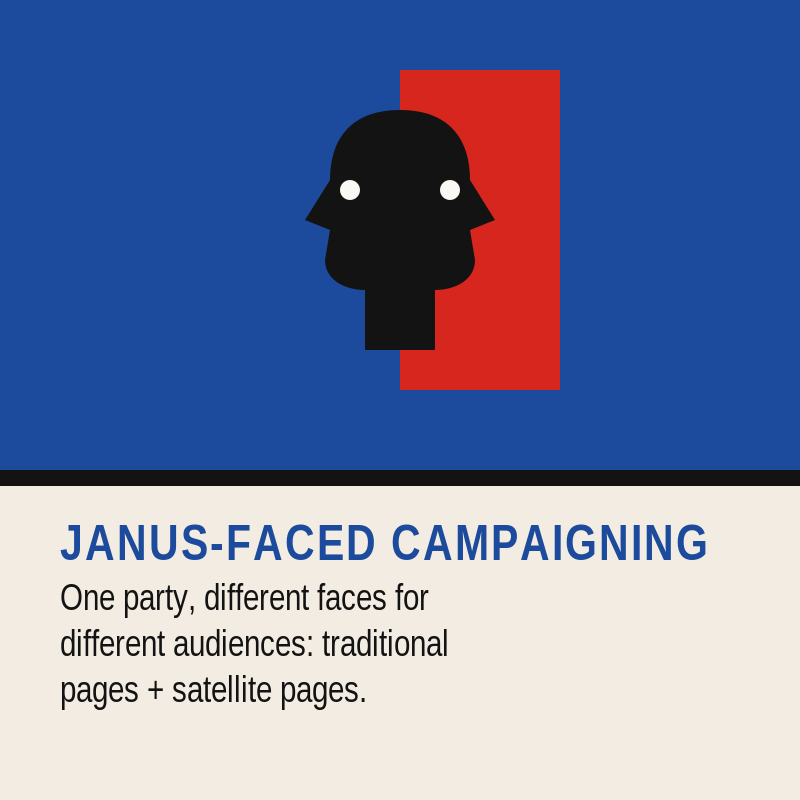
Dr Tristan Hotham studies how digital power works and works on the rules that govern it. His ESRC-funded PhD at the University of Bath examined how British parties use Facebook as a campaign tool, analysing nearly 50,000 posts and introducing ‘Janus-faced campaigning’.
He was a research consultant for Who Targets Me in the 2019 General Election. Since 2021 he has worked as a civil servant on digital competition and cyber resilience.
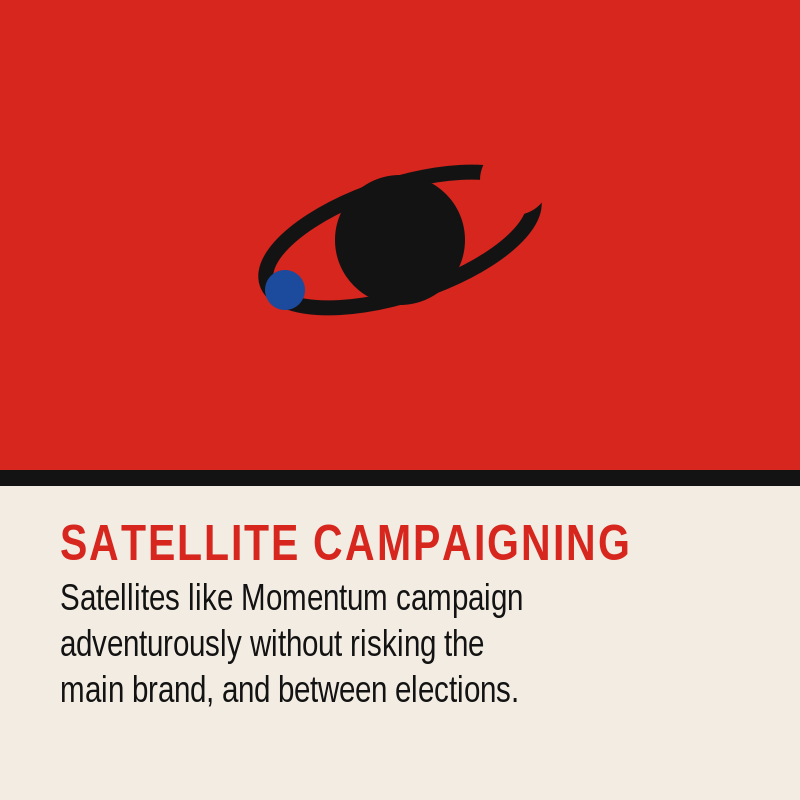
Tristan holds an ESRC-funded PhD at the University of Bath. His thesis was entitled “How do political parties use Facebook and what does it offer to their campaigns?”. The work examined the Facebook phenomenon and its role as a campaign tool in UK politics. It questioned the impact Facebook is having as a campaign tool online and its wider implications for parties campaigning in an era of party change. The work developed its own theory of social media campaigning. It charted the engagement parties achieved and the content approaches they used to influence us. It also outlined the future trends we will see in digital election campaigns. Following from this work, Tristan’s latest preprint can be accessed here; it is a study of Facebook satellite campaigning by Labour group Momentum.
Alongside a PhD, Tristan also holds two Master’s degrees from the Universities of Bath and Durham, and a Bachelor of Laws degree from the University of Exeter.
Dr Hotham uses a combination of quantitative and qualitative methodologies to examine the black box of social media. This wide range of experience, as well as the struggles of studying social media, shaped his approach to making social media research better.
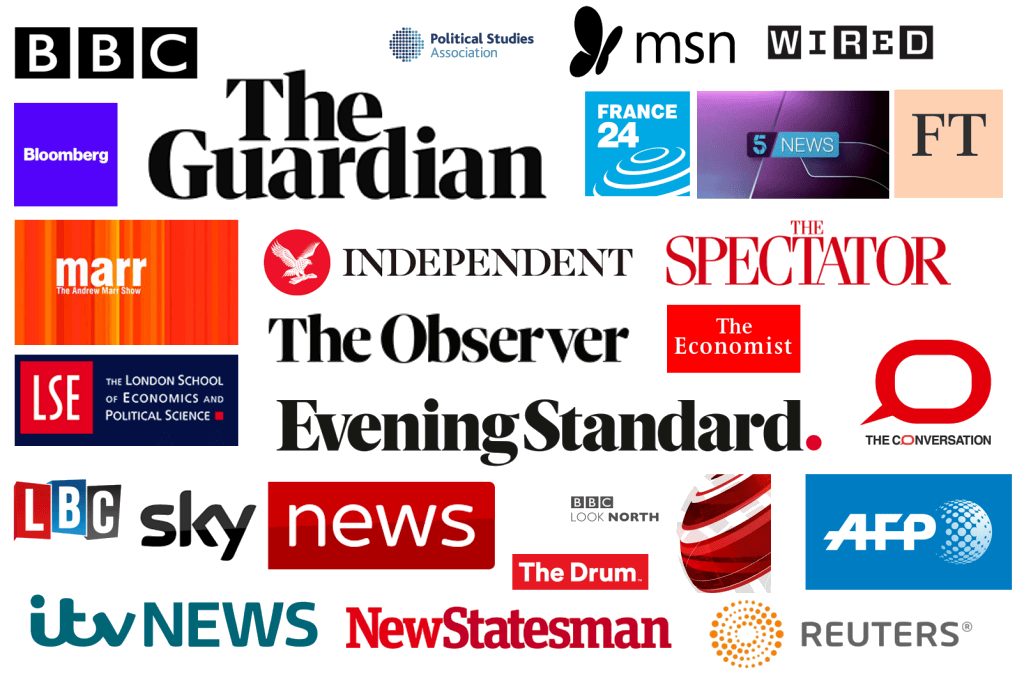
Tristan has worked as a research consultant for Who Targets Me, which gave him new skills in information dissemination and media outreach. His research for the group was featured on Sky News, Reuters, Evening Standard, the Observer and was even discussed on the Andrew Marr Show.
Dr Tristan Hotham is an expert in social media platforms. From TikTok to Facebook and from Twitter to Discord, Tristan has extensive experience studying and understanding what now defines politics in the social media age. He has commented in many media sources on social media phenomena including elections, audiences, interactions, news content, communications flow, engagement, big tech policy, social media regulation, content approaches, party politics and campaigning. Tristan or his work has been featured in media such as the BBC, Telegraph, New Statesman, Financial Times and The Economist.
Publications
Peer-reviewed research, preprints, and academic writing on social media and politics.

Media
Press coverage, broadcast appearances, and commentary across major news outlets.

Blog
Long-form writing on social media, technology policy, and digital campaigning.
Showreel
Tristan also creates videos for the public. You can watch them on his YouTube channel.
Latest blog posts
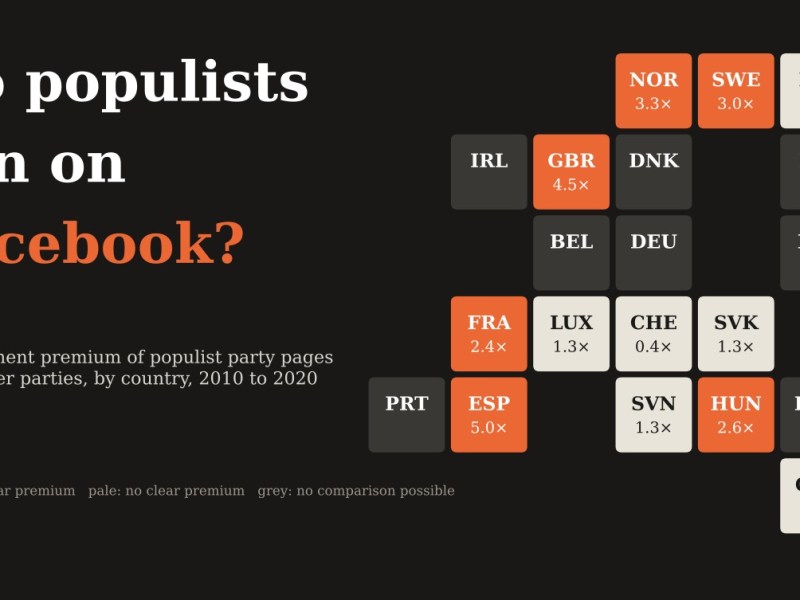
Do populists win on Facebook? Ten years of party pages across Europe
I looked at 669,760 posts from party pages in 17 European countries. Populist parties got about two and a half times the engagement of comparable parties, but mostly because they built bigger audiences, and not in every country.

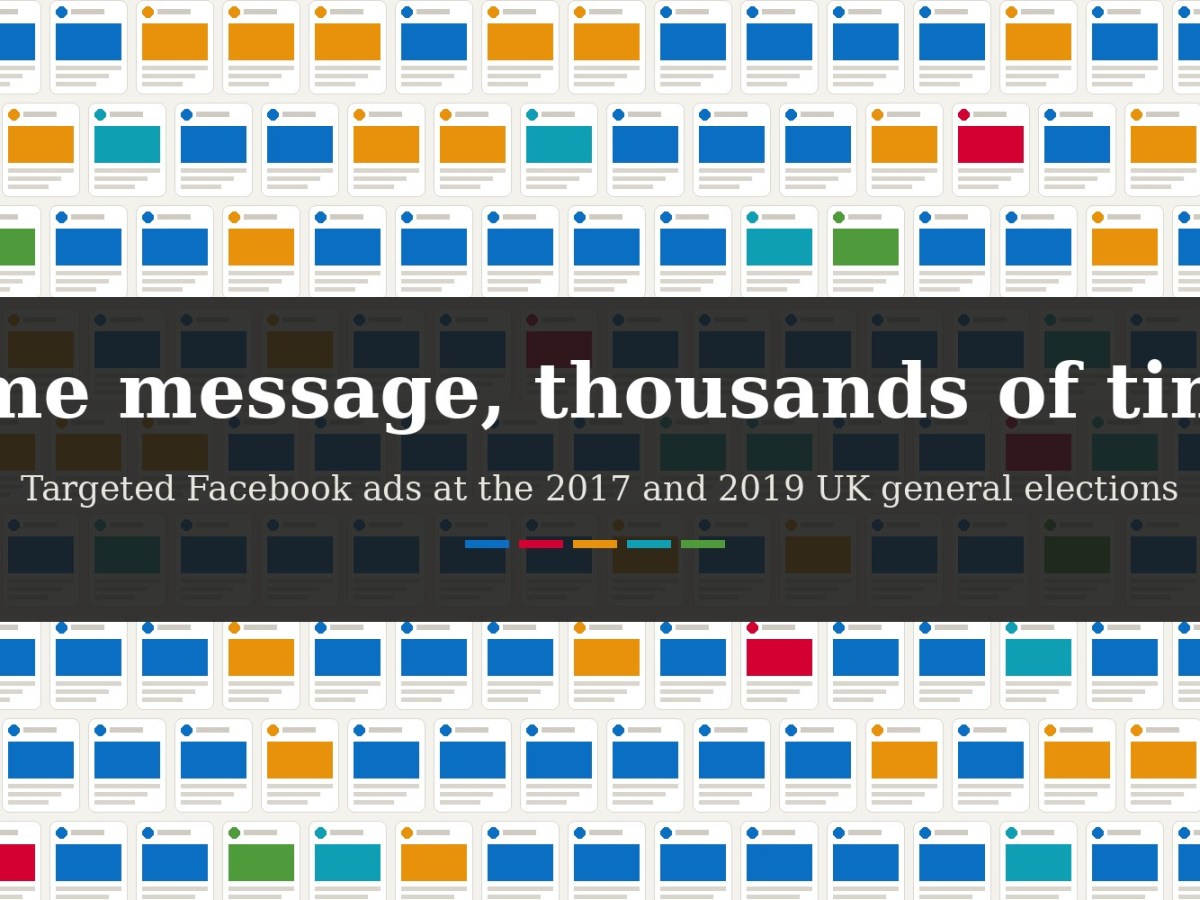
Same message, thousands of times: what British parties really did with targeted Facebook ads
In 2019 everyone feared microtargeting. Twenty thousand party ads later, the big parties had written a few slogans and run them thousands of times. A new preprint from my 2017 and 2019 election data.
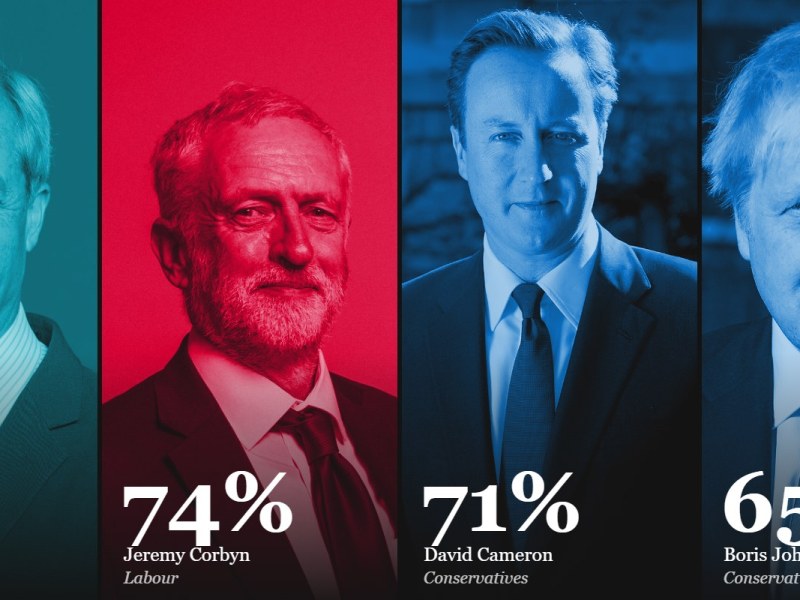
Facebook loved Corbyn and Farage. The polls had other ideas.
Ten years of Facebook data on Britain’s parties and their leaders, matched to the polls. Who carried each party online, how badly Facebook misread the electorate, and what engagement does and does not tell you.
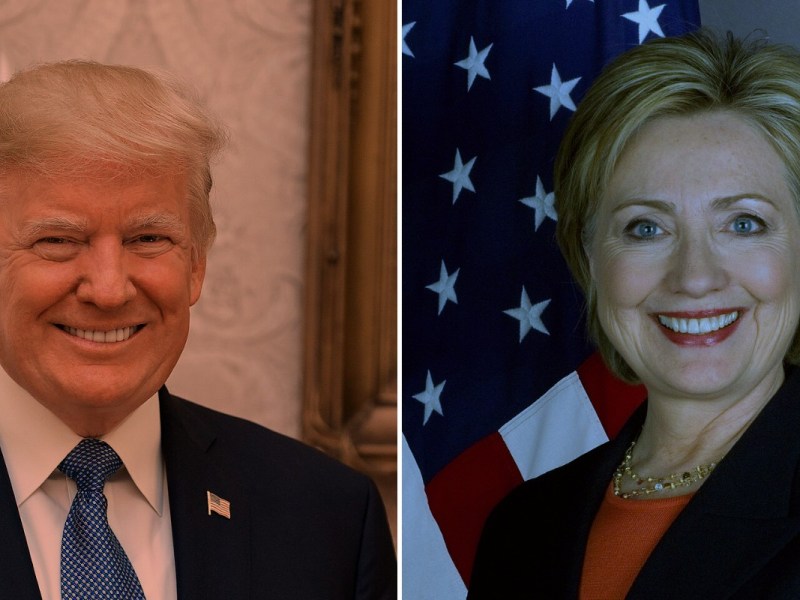
Trump’s YouTube numbers looked like a vote predictor. They mostly weren’t.
I took a county-by-county record of YouTube views of Trump and Clinton content in 2016 and asked what it adds once you know where a place already stood. Less than you would think, but not nothing.
Did Leave win the Facebook referendum by being negative? What 17,657 posts say
The popular story is that Leave won on Facebook by being louder, angrier and more negative. A new preprint tests it on 17,657 posts from 92 UK pages during the 2016 referendum campaign.
What went viral on Britain First’s Facebook page? A new paper from my PhD archive
Facebook deleted Britain First’s page in March 2018. I hold a post-level record of it, extracted two days before the ban. A new paper uses it to show what the page’s audience rewarded and what it ignored.
Gallery Gaffer, a free pixel-art game
I made a free pixel-art arcade game about the world’s most stressed gallery guard. Grab the gaffer tape, patch up seven famous paintings and survive the night shift.
Join my mailing list
If you would like to connect, head to the contact page or reach out via LinkedIn or Twitter.

