
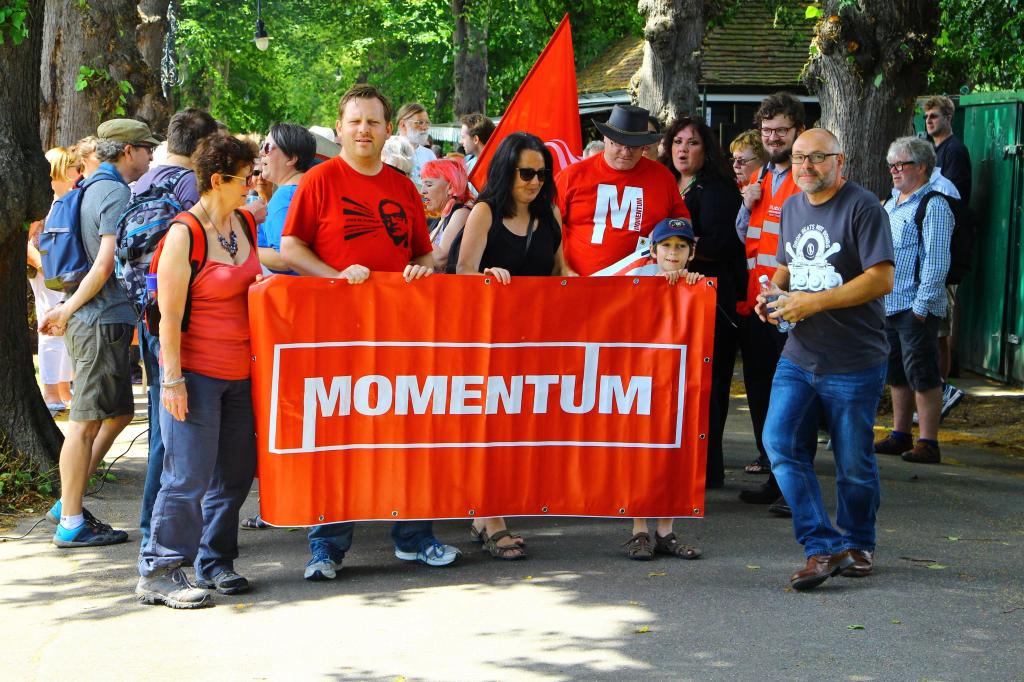
A satellite campaign is a campaign run by a group that sits close to a political party, shares its goals and often its supporters, but operates outside the party’s formal structure. In British politics the best-known example is Momentum, the group formed around Jeremy Corbyn’s leadership of the Labour Party. In my working paper on Momentum and Labour’s 2017 General Election Facebook campaign, I looked at what a satellite actually does for a party.
Why would a party want one?
The main attraction is freedom. An official party page has a brand to protect, so it tends to stay with information, policy and reminders to vote. A satellite can be funnier, more partisan, more personal and more experimental, because the party is not directly responsible for every post. It can campaign adventurously without risking the main brand.
This is part of what I call Janus-faced campaigning: the official pages show one face, the traditional campaign, while satellites show another, with new methods focused on getting people to take part. In 2017 the combination gave Labour the best of both worlds.
A permanent campaign
Satellites also keep campaigning between elections. Official party structures tend to ramp up for a general election, but a satellite with an engaged audience can stay active all the time. Across 2018, Momentum’s page shifted towards an internal role, marshalling supporters, which is one reason I describe it as part of a permanent campaign rather than a one-off election effort.
What does it mean for campaigns and regulators?
Satellites raise questions that the rules were not designed around:
- Responsibility. Who answers for what a satellite says, the party or the group?
- Transparency. Can voters tell who is behind a message and how it connects to a party?
- Spending. How should campaign finance and advertising rules apply to groups that work alongside a party but are separate from it?
Satellites are a good example of how online campaigning has changed who campaigns, not just how. For the full argument, see the working paper and my PhD thesis.

